
UNESCO World Heritage Sites in Nepal
UNESCO World Heritage Sites in Nepal: My Ultimate Magical guide

Hey everyone, welcome back to Alisa Blog! Sentences are a bit repetitive later on with the word “soul”. And honestly, few places on Earth possess a soul as vibrant, ancient, and deeply spiritual as Nepal.
When most travelers think of Nepal, their minds instantly drift to Mount Everest or remote trekking trails. But during my journey through this beautiful country, I realized that Nepal’s true magic is split between its living history and its wild, untamed nature.
To help you plan your next big adventure, I’ve put together this comprehensive, personal guide to the UNESCO World Heritage Sites in Nepal. These aren’t just typical tourist spots—they are protected global treasures that tell the story of our world. Let’s dive into the four magical regions you absolutely cannot miss!
1. Cultural UNESCO World Heritage Sites in Nepal: The Kathmandu Valley
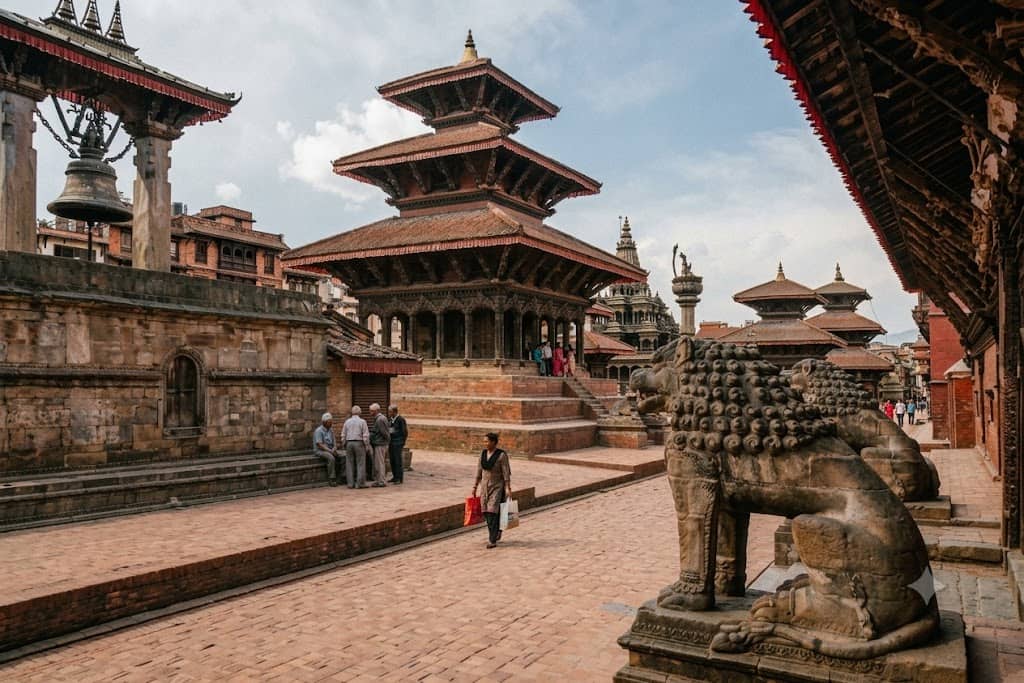
The moment I stepped into the Kathmandu Valley, I felt like I had traveled back in time. It’s hard to explain, but history here isn’t locked behind glass in a cold museum—it’s alive on every single street corner. Did you know that UNESCO actually groups seven distinct monument zones inside this one valley as a single World Heritage Site? It’s incredible!
The Royal Durbar Squares (Kathmandu, Patan, and Bhaktapur)
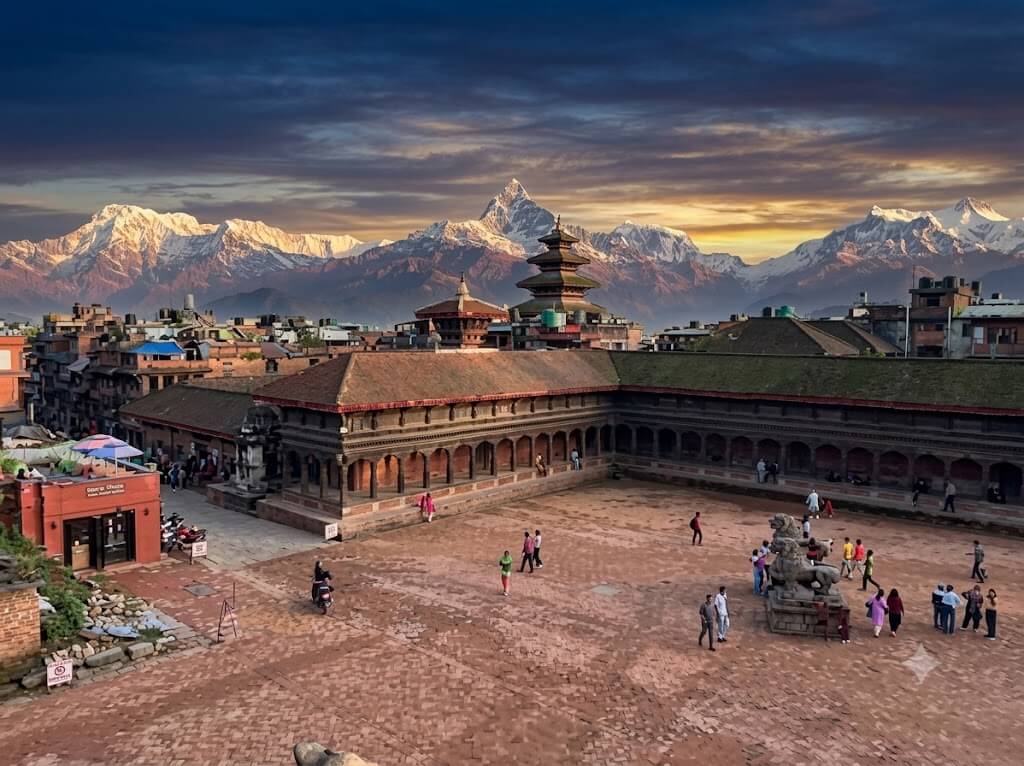
These three squares were the seats of ancient kingdoms. Walking through them, I was completely blown away by the traditional Newari architecture—the thousands of tiny, hand-carved wooden windows, the massive red-brick palaces, and the stone deities that locals still pray to every single morning. Bhaktapur, in particular, felt so beautifully preserved that walking through it felt like walking through a historical movie set.
The Sacred Stupas (Swayambhunath & Boudhanath)
You haven’t truly experienced the cultural side of the UNESCO World Heritage Sites in Nepal until you’ve watched the sunset from Swayambhunath. The locals call it the Monkey Temple, and yes, there are plenty of cheeky monkeys around! The energy here, with the smell of butter lamps and the panoramic view of the sprawling city below, is unforgettable.
Later, I visited Boudhanath, one of the largest spherical stupas in the world. My absolute favorite memory was sitting at a rooftop café in the evening, watching thousands of monks and pilgrims peacefully walk around the massive white dome under the watchful, compassionate eyes of the Buddha.
Pashupatinath and Changu Narayan
For a raw, powerful look into Hindu traditions, I visited Pashupatinath Temple on the banks of the sacred Bagmati River. It’s a deeply spiritual and humbling place. On the other hand, Changu Narayan, located on a quiet ridge outside the city, offered a peaceful escape and is considered the oldest standing temple in Nepal, packed with 5th-century stone carvings.
2. Spiritual UNESCO World Heritage Sites in Nepal: Lumbini
Leaving the hills of Kathmandu behind, I traveled down to the flat plains of southern Nepal to visit Lumbini. Inscribed by UNESCO in 1997, this is the official birthplace of Siddhartha Gautama, who later became the Lord Buddha. As far as the spiritual UNESCO World Heritage Sites in Nepal go, this one holds a very special place in my heart.
The vibe in Lumbini is completely meditative. I spent hours walking through the quiet, sacred gardens around the Mayadevi Temple. Right outside stands the ancient Ashoka Pillar, which was put up by Emperor Ashoka way back in 249 BC to mark this holy spot.
There’s also a massive monastic zone where countries from Germany to Japan have built gorgeous monasteries, turning the entire town into a beautiful global center for peace.
3. Natural UNESCO World Heritage Sites in Nepal: Chitwan National Park
If you think Nepal is only about snowy peaks and old temples, Chitwan will completely change your mind. This was Nepal’s very first national park, listed by UNESCO in 1984, and it highlights the diverse natural beauty found among the UNESCO World Heritage Sites in Nepal.
My time here was pure adrenaline. We went on a jeep safari and, lucky for us, we got to see the rare Greater One-horned Rhinoceros up close in the wild! The park is also one of the last strongholds for the elusive Royal Bengal Tiger. Beyond the tigers and rhinos, canoeing down the calm Rapti River at dawn while spotting crocodiles basking on the banks was an absolute highlight of my trip.
4. Mountain UNESCO World Heritage Sites in Nepal: Sagarmatha National Park
Last but definitely not least is the big one—Sagarmatha National Park. “Sagarmatha” is the beautiful Nepali name for Mount Everest, and this park covers the entire high-altitude region surrounding the world’s highest peak (8,848.86 m).
Trekking through this park was physically challenging, but the views of Everest, Lhotse, and Ama Dablam make you forget your fatigue instantly. What makes this place stand out among the UNESCO World Heritage Sites in Nepal isn’t just the giant rocks and ice; it’s the cultural landscape.
This is the homeland of the indigenous Sherpa people. Passing through their cliffside villages, spinning prayer wheels along the trail, and visiting ancient monasteries like the one in Tengboche added a beautiful, spiritual layer to my mountain trek.
Alisa’s Quick Travel Tips for Your Nepal Trip
- Respect Local Traditions: When visiting temples and stupas, always walk around them in a clockwise direction.
- Dress Modestly: Cover your shoulders and knees when entering religious or heritage sites.
- Travel Responsibly: These are fragile heritage ecosystems. Pack out your trash, especially when trekking in Sagarmatha or exploring Chitwan.
- Useful Resources: For official details on entry fees and timing, you can check the Official UNESCO Heritage Centre (External DoFollow Link). Also, don’t forget to check out my previous Ultimate Packing Guide for Nepal (Internal Link – Replace with your actual blog link).
Final Thoughts on the UNESCO World Heritage Sites in Nepal
Exploring the UNESCO World Heritage Sites in Nepal genuinely changed how I view travel. It’s one of the few countries where you can explore a medieval palace in the morning, meditate at the birthplace of Buddha the next day, and spot wild rhinos by the weekend.
Have you been to Nepal yet, or is it still on your travel bucket list? Let me know in the comments below, and don’t forget to subscribe to Alisa Blog for more honest travel guides!